




Patna, Sep 20 (IANS) Demand for the aromatic ‘Marcha Chuda’ (flattened rice from West Champaran) has soared both domestically and internationally after the famous food item earned the official GI (Geographical Indication) tag.
Because of the high demand for the aromatic ‘Marcha Chuda’, it is being exported to multiple Indian cities and abroad, increasing demand for cultivation in Champaran’s local farmlands.
A group of Marcha Chuda cultivators speaking to IANS shared that rising demand for their produce has accelerated cultivation and production.
One of the most distinctive features of Marcha Chuda is its unique aroma, which fills their homes and the village with its fragrance.
He explained that the GI tag has helped people understand Marcha Chuda’s significance and unique qualities.
Ramji Prasad said the specific characteristic derived from Champaran soil distinguishes Marcha Chuda from varieties grown elsewhere.
Sharing details of rising income due to increased Marcha Chuda cultivation, he said farmers in certain areas of Champaran are cultivating it and reaping economic benefits.
He also urged fellow farmers to increase production, as it helps both farmers and traders capitalise on the rising demand.
Marcha Chuda sells for approximately ₹150 per kilogram. Higher demand for the crop means extra income for those involved in its cultivation.
Cultivation of Marcha paddy usually begins during the month of Sawan, and the crop is ready for harvest by the end of November.
Unlike Marcha Chuda from other regions, Champaran’s has a special impact because of its aroma. Farmers cultivate it using traditional, organic methods, without chemicals or fertilisers.
The unique shape of Marcha Chuda also sets it apart from other varieties. Its grain resembles a black peppercorn, which is why it is known as ‘Marcha’ or ‘Marcha paddy’.
This is currently being transported to states like Uttar Pradesh, West Bengal, Odisha, Uttarakhand, and Jharkhand.
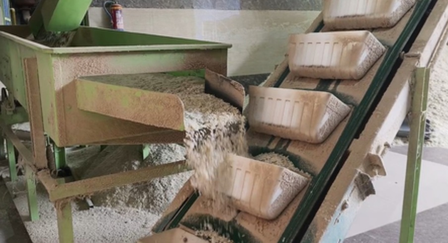
According to Ramji Prasad, his family has been in the Marcha Chuda business since 1969. Initially, this was done entirely by hand—a labour-intensive and time-consuming task — but in 1997, machinery entered the process.
Over time, various innovations followed, making flattened rice cultivation easier and faster. Approximately 50 to 60 quintals of Marcha Chuda are produced every month in his village, employing around 100 people.
–IANS
mr/dan