



Ottawa, Oct 9 (IANS) Canada is moving towards stricter controls on imported goods suspected of being produced through forced labour, with proposed rules that could require importers to prove their products are free from labour exploitation and expose companies to greater scrutiny over their international supply chains.
The Canadian government released two consultation reports on Thursday outlining proposals to strengthen its existing import ban and introduce additional corporate accountability measures.
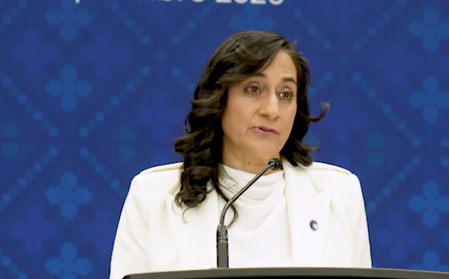
Foreign Minister Anita Anand and Jobs and Families Minister Patty Hajdu said the reports would help shape legislation and regulations intended to prevent goods produced through forced labour from entering the Canadian market.
The proposals could have implications for international exporters supplying Canadian businesses, although the government has not identified India or any other country as a specific target in the latest announcement.
Under Bill C-35, introduced in Parliament in June, the government would be authorised to establish a public list of goods suspected of being produced wholly or partly through forced labour.
The list could identify the goods, their producers and the countries or regions where they were manufactured.
Importers of listed products could be required to provide information demonstrating that their goods were not linked to forced labour.
Failure to provide the required information could result in the goods being prohibited from entering Canada.
The proposed legislation would also strengthen information-sharing among government departments and establish additional consequences for importers who fail to comply.
The consultation report said stakeholders broadly supported stronger enforcement but wanted a transparent and predictable system that would allow businesses to challenge decisions and respond to allegations.
Participants also called for closer alignment with international trading partners to prevent inconsistent requirements across markets.
“Our trade must reflect our values. Canada is committed to ensuring that our supply chains reflect the values we stand for: fairness, accountability and respect for human dignity,” Anand said.
“The perspectives shared through these consultations will help inform meaningful action to prevent goods produced with forced labour from entering Canada and support a more responsible and equal global trading system.”
A separate consultation examined whether Canadian businesses operating internationally should be required to identify, prevent and address forced-labour risks throughout their operations and supply chains.
One contentious proposal would allow victims of labour exploitation to seek damages in Canadian courts against companies that failed to conduct adequate due diligence.
“No one should profit from the exploitation of workers,” Hajdu said.
“As Canada diversifies trade and strengthens supply chains, respect for human rights must remain at the centre of those efforts.”
The government said it would review the feedback before deciding how to proceed with the proposed legislative and regulatory measures.
The consultations ran from July 27 to August 21 and included submissions from businesses, labour organisations, civil society groups and academics.
Canada has prohibited imports produced wholly or partly through forced labour since July 2020 under its Customs Tariff legislation, reflecting commitments made under the Canada-United States-Mexico Agreement.
–IANS
lkj/ksk/dan