



Islamabad, Feb 1 (IANS) Drug abuse has been consistently undermining Pakistan’s socioeconomic structure and posing one of the biggest challenges faced by the country, as per reports.
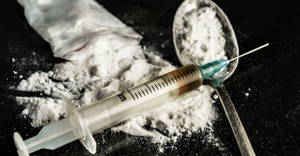
Nearly 6.7 million people in Pakistan abuse controlled drugs, with cannabis being the most commonly used substance and heroin addiction affecting hundreds of thousands of people in the country, according to the most recent official estimates and statistics of the United Nations.
As a result, cannabis, opioids, cocaine and various synthetic narcotics not only pose a threat to personal health but also threaten public safety and national stability. A report in the daily Pakistan Today said: “Drug abuse has grown to be a deeply ingrained societal catastrophe that is steadily undermining Pakistan’s socioeconomic structure and posing one of the biggest challenges of our time.”
Pakistan’s youth, who comprise 64 per cent of the total population, remain vulnerable as facing issues like peer pressure, family discord, academic stress, unemployment and societal uncertainty often push young people to take up destructive coping strategies. According to the report, Pakistan must reaffirm its commitment to building a resilient society, increasing education and employment opportunities for youth and bolstering inter-agency coordination to dismantle domestic and transnational drug networks. Police, the Anti-Narcotics Force (ANF), customs authorities, paramilitary forces and community partners must work together to make drug abuse and illicit trafficking less profitable and less pervasive, it said.
“Geographically speaking, due to its strategic location within the Golden Crescent, Pakistan, alongside Afghanistan and Iran, bears a unique burden as both a transit and consumption zone for opiates, particularly heroin and opium cultivated in Afghanistan. Historically, the Golden Crescent has surpassed the Southeast Asian Golden Triangle (Burma, Thailand, and Laos) in global narcotics production, and, as a result, a significant share of Afghan opiates destined for international markets continues to pass through Pakistan’s land and maritime routes,” the Pakistan Today report said.
Against this backdrop, Pakistan’s law-enforcement framework has increased its operational reach to tackle the challenge. Regional Police Officer (RPO) Faisalabad, Sohail Akhtar Sukhera, has introduced strategies to curb crime and dismantle drug networks at the ground level.
Under his leadership, intelligence-based operations and targeted raids have been carried out in Faisalabad and nearby districts, resulting in the detention of thousands of individuals who are involved in criminal activity, including professional drug peddlers, habitual offenders and addicts, according to the Pakistan Today report. Furthermore, Sukhera has created an activity-based intervention model to enhance confidence, resilience and decision-making skills among students, enabling them to face peer pressure and not engage in negative behaviours like drug and substance abuse.
“Legally, the Control of Narcotic Substances Act (CNSA) of 1997 provides the foundation for prosecuting drug traffickers, prescribing life imprisonment or even the death penalty for trafficking substantial quantities of prohibited narcotics. Nevertheless, long prison sentences alone are insufficient to curb demand; rather, comprehensive prevention strategies, expanded rehabilitation services and the de-stigmatisation of treatment seekers are urgently required,” the report said.
Apart from health consequences, the drug trade causes social and economic repercussions. Illicit drugs erode community trust, cause crime, corruption and lead to money being spent in informal economies, thereby impacting legitimate growth. At the same time, families and healthcare systems face immense pressure, especially in areas where social support structures and medical infrastructure remain weak or non-existent.
–IANS
akl/vd