



Washington, April 16 (IANS) Global conflicts and supply chain disruptions are adding to economic stress in developing countries, with the Intergovernmental Group of Twenty-Four (G-24) warning that recent gains on inflation and growth are at risk.
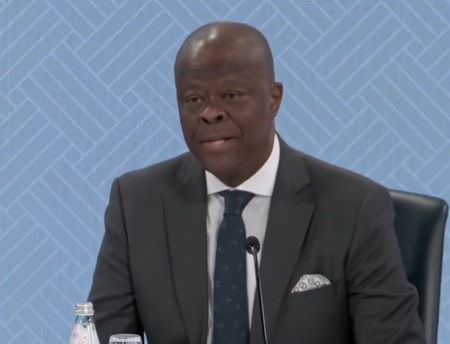
Speaking at a press briefing during the Spring Meetings, G-24 Chair Olawale Edun said: “Numerous political crises and conflicts globally have significantly impacted… populations and further strained the fragile global economy, with particularly adverse consequences for developing nations.”
He said disruptions in supply chains, especially in energy markets, are worsening conditions. “Oil-importing countries face increased current account pressures, inflation may affect various sectors… undermining the progress made recently,” Edun said.
Rising interest rates and exchange rate volatility are pushing up borrowing costs. This is increasing debt risks in emerging markets and developing economies. At the same time, “tighter financial conditions and heightened risk aversion… could reduce the flow of private capital,” he added.
The group called for stronger multilateral support. Edun said, “Multilateral support and enhanced development assistance remain essential for vulnerable countries.”
Central banks face a difficult policy choice. Akhtar Javed, First Vice-Chair, said “it’s really difficult for the central banks to strike a balance,” adding they must “behave prudently and… strike a balance.”
Iyabo Masha, Director of the G-24 Secretariat, said current inflation pressures are largely supply-driven. “Supply-side constraints do not respond well to monetary policy, like an interest rate hike,” she said. She urged a “wait and see” approach while staying data-driven.
Edun warned of risks on both sides. Raising rates “too early and too high… can do damage,” he said. But delaying action can also allow inflation to rise.
On fiscal policy, the group backed targeted support. Edun said governments should focus on “targeted and temporary relief, particularly for the poor and the most vulnerable,” instead of returning to broad subsidies.
He said the energy shock is affecting both oil importers and exporters. Even oil-producing countries face rising costs through higher prices for inputs such as gas and food.
The G-24 also called for more support from global institutions. “We would definitely like them to provide… additional liquidity, risk management tools that bring down the cost of financing,” Edun said.
Masha said reforms are underway, but “the gap remains… especially on the debt side, on how they bring down the cost of borrowing.”
On trade, Edun said the global system is weakening. He pointed to “fragmentation, bilateralism, and a breakdown of supply chains.” This is pushing developing countries to focus more on domestic production and regional markets.
He also flagged risks from new technologies. Artificial intelligence could “create inequality before finally maybe helping to close the gap,” he said.
The warning comes as geopolitical tensions continue to disrupt global markets. For countries like India, a major oil importer, higher energy prices can fuel inflation and widen external imbalances.
The IMF and World Bank have expanded support tools in recent years. But developing countries continue to seek lower borrowing costs, stronger financial safety nets and reforms to reflect their growing role in the global economy.
–IANS
lkj/sd/