



Seoul, March 2 (IANS) The average daily trading value on South Korea’s main stock market reached a record high of over 30 trillion won ($20.7 billion) in February, driven by a rally in semiconductor shares.
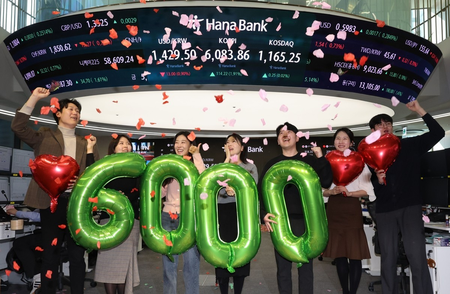
The benchmark Korea Composite Stock Price Index (KOSPI) rose above the 6,000-point level on Wednesday, less than a month after surpassing the 5,000 mark, reports Yonhap news agency.
Average daily turnover on the KOSPI market reached 32.23 trillion won last month, up 19 percent from 27.06 trillion won a month earlier, according to the Korea Exchange (KRX).
Analysts attributed the rally to growing optimism over the global semiconductor industry, along with expectations for market-friendly government policies in Seoul.
Trading activity was heavily concentrated on large-cap technology stocks, including Samsung Electronics Co. and SK hynix Inc.
Combined average daily turnover in the two chipmakers totaled 10.5 trillion won in February, accounting for 33 percent of total trading value on the KOSPI market.
Analysts cautioned that the market may undergo a period of correction following the recent sharp gains, although they expect the current upward trend to continue for some time.
They also warned of lingering uncertainties stemming from heightened geopolitical tensions in the Middle East following the death of Iran’s Supreme Leader Ayatollah Ali Khamenei in military strikes by the United States and Israel, as well as shifting U.S. tariff policies under the Donald Trump administration.
“The current rally in the KOSPI differs from liquidity-driven surges in the past,” said Lee Kyoung-min, an analyst at Daishin Securities. “The trend toward record highs is unlikely to reverse, as the latest gains have been supported by upward revisions to earnings outlook for semiconductor companies.”
Meanwhile, South Korean companies operating in the Middle East are scrambling to draw up response measures amid heightened tensions in the region following the U.S.-Israeli strike on Iran while prioritising the safety of employees and seeking to minimise disruptions to local operations.
Major companies have convened emergency meetings to ensure the safety of employees in the Middle East and discuss ways to address potential disruptions, as they maintain a significant presence in Iran, Iraq, the United Arab Emirates and other countries in the region.
—IANS
na/