



Kabul, Jan 26 (IANS) Pakistan’s engagement with militant groups, analysts argue, serves strategic purposes including deterring Chinese investment in Afghanistan to preserve Pakistani regional influence and pressuring the Afghan Taliban over Tehrik-e-Taliban Pakistan (TTP) sanctuaries, a report said on Monday.
It added that the January 2026 terror attack on a Kabul restaurant by the terrorist group Islamic State Khorasan Province (ISKP) highlights the security challenges undermining foreign economic engagement in Afghanistan.
According to a report in Afghanistan’s leading news agency Khaama Press, Pakistan denies allegations of cross-border militancy, while Taliban officials and some analysts claim that Pakistan-backed networks facilitate ISKP operations in the region.
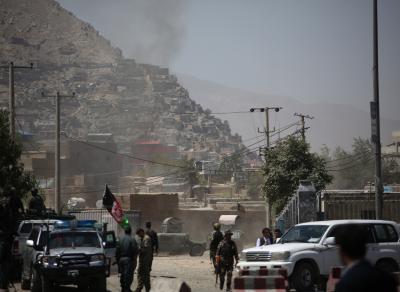
“On January 19, 2026, a suicide bombing at a Chinese-owned restaurant in Kabul’s Shahr-e-Naw district killed multiple civilians, including Chinese nationals. The Islamic State Khorasan Province (ISKP) claimed responsibility, framing the attack as targetting Chinese presence in Afghanistan. This incident continues a pattern of violence against Chinese interests in the country,” the report detailed.
“Since the Taliban’s return to power in August 2021, Chinese engagement in Afghanistan has proceeded alongside periodic ISKP attacks on Chinese targets. Notable incidents include a 2022 hotel attack in Kabul targeting Chinese nationals and attacks on Chinese workers in subsequent years. While ISKP has claimed responsibility for these attacks, the extent to which they represent a coordinated campaign versus opportunistic violence remains debated among security analysts,” it noted.
Pakistan has long faced accusations of supporting certain militant groups while combating others — an accusation that Islamabad consistently rejected.
“Critics point to groups like Lashkar-e-Taiba (LeT), which Pakistan banned following international pressure after the 2008 Mumbai attacks, though enforcement of this ban has been questioned by India and international observers,” the report mentioned.
Taliban spokesperson Zabihullah Mujahid has alleged that Pakistan’s Inter-Services Intelligence (ISI) enabled the relocation of ISKP operatives, particularly amid heightened border tensions in 2024-2025.
The report further said, “Chinese investments in Afghanistan, including projects like the Amu Darya oil development and the Mes Aynak copper mine, have proceeded slowly due to multiple factors: security concerns, Taliban governance capacity, international sanctions complications, and commercial viability questions.”
Until the global community, it said, “develops mechanisms to address the underlying sources of militant capacity in the region — whether through state failure or deliberate policy” — Afghanistan’s economic development “will remain constrained by persistent security threats”.
–IANS
scor/as