




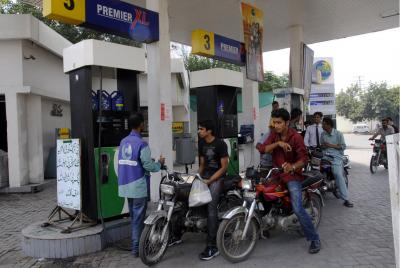
New Delhi, March 12 (IANS) Pakistan’s economy could come under pressure if global oil prices surge to $130 per barrel amid escalating tensions in the Middle East, according to a report.
As per Arab News, the concerns by economists and industry experts follow a recent spike in crude prices above $110 per barrel after hostilities involving the United States, Israel, and Iran raised fears of disruptions to shipments through the Strait of Hormuz, a key waterway that carries nearly one-fifth of the world’s oil supply.
“Analysts say continued volatility could quickly translate into higher fuel costs in Pakistan, which imports most of its energy needs,” the report said.
Pakistan recently raised petrol and diesel prices by about 20 per cent, citing rising global oil prices. The country’s central bank has also warned that inflation could remain above 7 per cent through the remainder of the current fiscal year ending in June.
According to Karachi-based advisory firm Tola Associates, petrol prices in Pakistan could approach Rs 392 per litre if global crude prices climb to $130 per barrel, potentially pushing overall inflation up by 7.11 per cent, the report said.
Pakistan’s energy dependence leaves it vulnerable to global price shocks. Official data shows the country imported about $16 billion worth of petroleum products last year, accounting for the largest share of its $58.4 billion import bill.
Higher global energy prices are already affecting retail markets, particularly liquefied petroleum gas (LPG), which is widely used by households and businesses. Retailers in Karachi said LPG prices have risen from around Rs 310 to Rs 350 per kilogram since tensions escalated.
However, industry officials say supply remains adequate. Representatives of the Oil Companies Advisory Council said multiple LPG cargoes carrying more than 20,000 tonnes have already arrived at Port Qasim, with additional shipments expected ahead of the Eid-ul-Fitr holiday.
Economists note that Pakistan’s heavy reliance on imported fuel means geopolitical tensions often translate quickly into domestic inflation pressures, particularly through higher transportation and food costs.
–IANS
ag/vd