When a nation speaks through its leadership at a moment of economic sensitivity, the message is rarely just about immediate action; it is about collective responsibility, shared restraint, and disciplined optimism for the future. The recent appeal by Narendra Modi urging citizens to reconsider non-essential foreign travel and curb excessive purchases of gold is not merely a fiscal advisory but a call for patriotic economic participation. For millions of Indians living abroad, this message carries a special resonance because it connects daily personal choices with the larger story of national stability and resilience.
India’s relationship with gold and overseas travel is deeply cultural, emotional, and aspirational. Gold has been a symbol of security, prosperity, and tradition for generations, while international travel represents global engagement and success. Yet in times when foreign exchange reserves face pressure from global market volatility, rising import bills, and fluctuating currency dynamics, these very habits can inadvertently contribute to economic strain. The Prime Minister’s appeal reframes these familiar patterns through the lens of national interest.
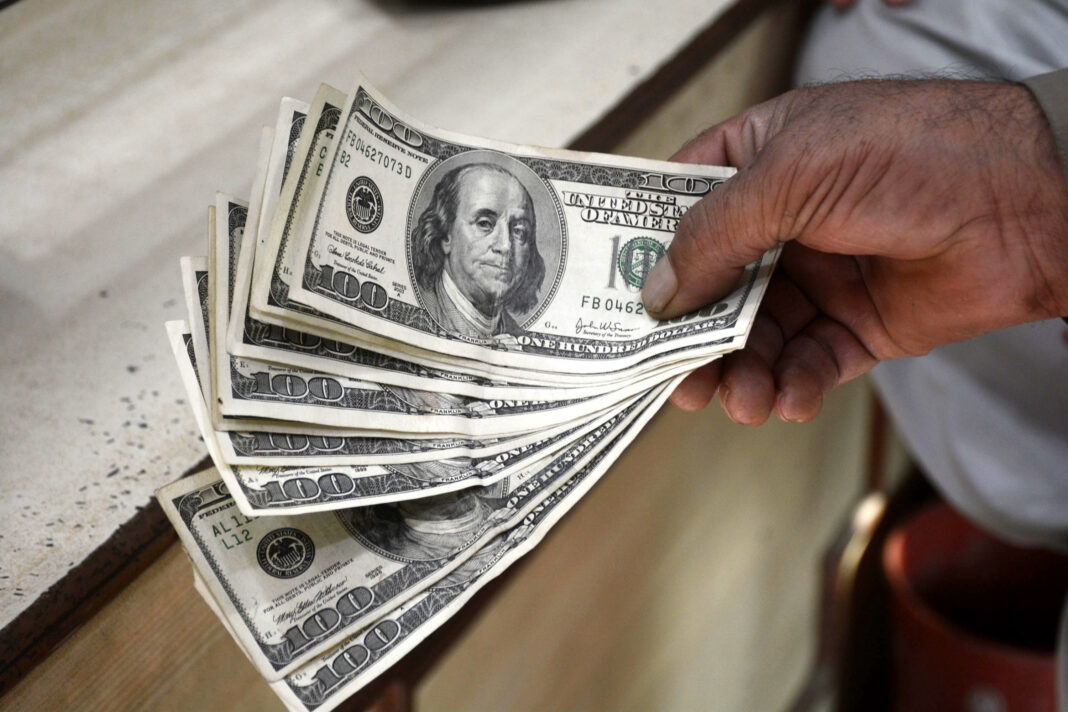
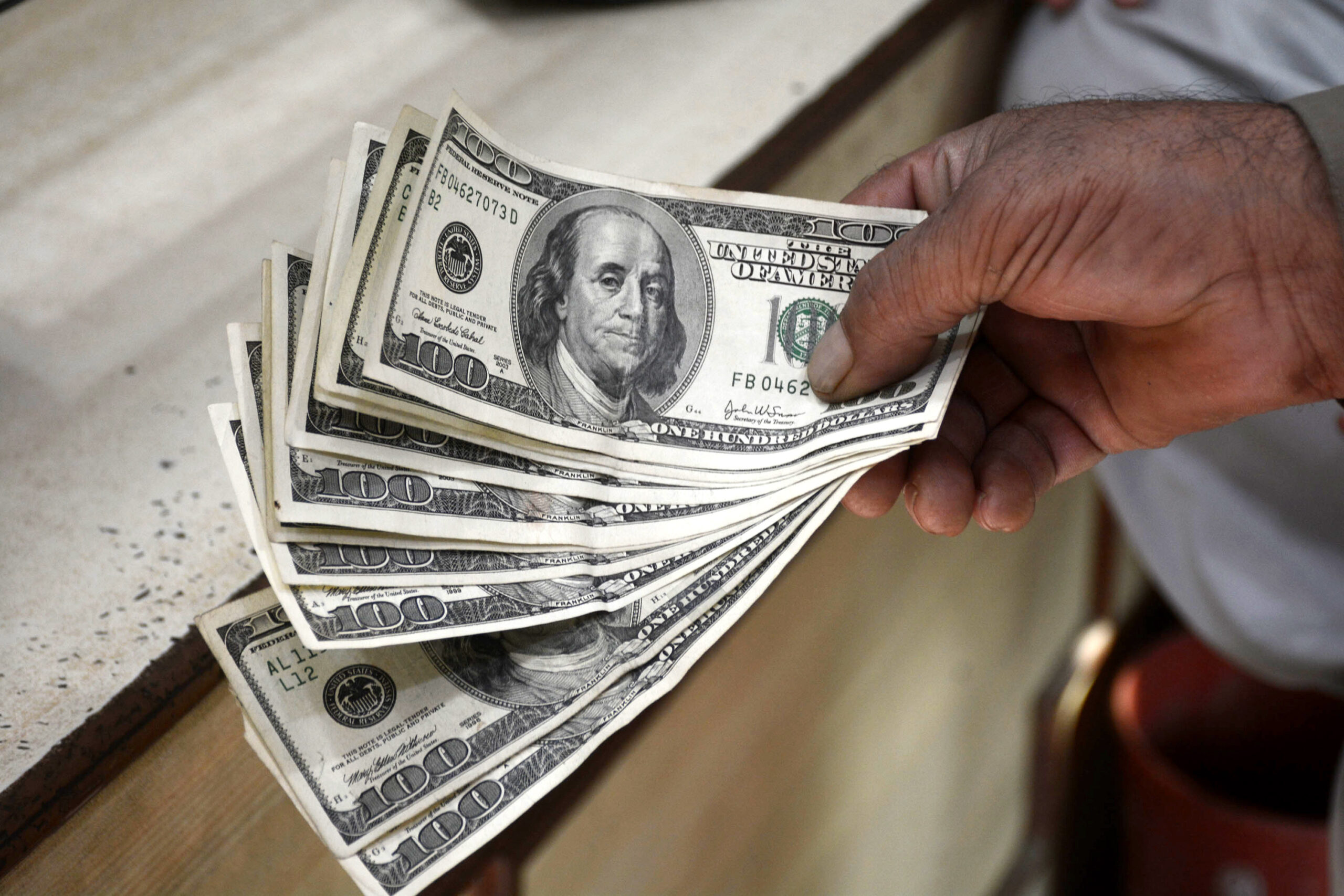
Foreign exchange reserves are the backbone of a country’s economic sovereignty. They provide the ability to pay for essential imports, stabilize the currency, manage external debt, and assure global investors of financial stability. When reserves decline or come under pressure, the ripple effects can touch inflation, currency value, interest rates, and investor confidence. In such circumstances, reducing avoidable outflows of foreign currency becomes an act of prudent national management.
Non-essential foreign travel is one of the largest contributors to outbound foreign exchange spending. Air tickets, accommodation, shopping, dining, and tourism expenses collectively result in significant outflows of dollars and other foreign currencies. While travel is valuable and enriching, postponing discretionary trips during sensitive economic periods can meaningfully reduce this outflow. It is not a restriction but a temporary recalibration in the interest of collective stability.
Similarly, gold imports have long exerted pressure on India’s forex reserves. India is among the world’s largest consumers of gold, and most of it is imported. Every ounce purchased translates into foreign currency leaving the country. When citizens shift a portion of their savings from imported gold to domestic financial instruments, they help ease this pressure while strengthening the formal economy.
In the short term, these measures have immediate and measurable benefits. Reduced demand for foreign travel lowers currency outflow, helping stabilize reserves. Lower gold imports reduce the trade deficit, easing pressure on the rupee. A stable rupee curbs imported inflation, which in turn protects household purchasing power. The cumulative effect is a buffer against global economic shocks.
For Indians abroad, the message also carries symbolic importance. The diaspora has always played a vital role in supporting India through remittances, investments, and advocacy. By aligning personal financial decisions with this call for restraint, overseas Indians can once again demonstrate their enduring connection to the nation’s economic well-being.
There is also a business lesson embedded in this appeal. Patriotic business management means aligning profit motives with national priorities. Companies that encourage domestic tourism, promote digital gold alternatives, support financial literacy, and advocate responsible spending contribute to both economic resilience and customer trust. Enterprises that innovate within these parameters stand to benefit from a more stable macroeconomic environment.
In the long term, this approach fosters a cultural shift from asset hoarding to asset creation. When savings move from physical gold into productive investments such as bonds, equities, and infrastructure funds, capital begins to work within the economy rather than sitting idle. This transition fuels growth, employment, and innovation.
Furthermore, reducing dependency on gold imports encourages the development of alternative savings mechanisms and deepens financial inclusion. It pushes households to explore formal banking, mutual funds, insurance, and pension products. Such diversification builds a more resilient financial ecosystem.
The appeal also reinforces the idea that economic nationalism does not mean isolation but intelligent participation in the global economy. It is about choosing when and how to engage in ways that maximize national benefit. Postponing discretionary foreign travel today may enable greater economic strength tomorrow.
For businesses, especially those run by Indians abroad, this is a moment to demonstrate leadership. Encouraging employees and customers to support domestic economic stability through informed choices enhances brand credibility and social responsibility. Corporate messaging that aligns with national priorities strengthens community bonds.
In the short term, these measures may feel restrictive to some, particularly those accustomed to annual overseas holidays or traditional gold purchases during festivals and weddings. However, the larger narrative reframes sacrifice as contribution. Temporary restraint becomes a badge of responsible citizenship.