



United Nations, April 2 (IANS) Strikes across Iran hit civilian infrastructure, compounding relief needs as Middle East aid workers struggle with access constraints, UN humanitarians said.
The UN Office for the Coordination of Humanitarian Affairs (OCHA) said the airstrikes in Iran have severely affected essential services. Iran’s Ministry of Health reported that 309 health facilities and 42 ambulances have been damaged, with seven hospitals evacuated since the attacks began on February 28.
OCHA also said that power disruptions and outages have been reported in several areas, and that a desalination plant on Qeshm Island in Hormozgan Province was impacted, reports Xinhua news agency.
The Iranian Red Crescent Society (IRCS) said that as of Wednesday, more than 115,000 civilian buildings, including health, education, residential and commercial facilities, have been impacted. The Ministry of Education reported damage to more than 700 educational facilities. Humanitarian responders remain active, with IRCS teams operating in more than 1,200 affected areas.
OCHA said that UN agencies are also supporting vulnerable populations in Iran.
The UN Refugee Agency said it has assisted more than 42,000 refugees from Afghanistan with counselling, legal aid, cash assistance and psychosocial support.
The International Organization for Migration continues to provide protection services, direct cash assistance and aid to stranded migrants.
In Lebanon, humanitarian needs continue to outpace available resources amid ongoing hostilities. OCHA said only about one-third of the 308 million US dollars required for the Lebanon Flash Appeal has been funded, roughly 94 million, warning that additional funding is urgently needed to sustain and scale up the response.
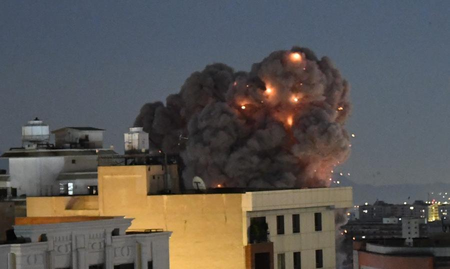
The Lebanese Ministry of Public Health reported that at least 1,268 people have been killed and 3,750 injured since the escalation in the country’s south began. Strikes have continued to hit residential areas, including Jnah and Khalde near Beirut, where attacks overnight killed at least seven people and wounded more than 20.
Despite the challenges, OCHA said that UN agencies and partners are intensifying efforts to protect civilians. Thousands of children and caregivers have received psychosocial support, while agencies are working to reunite families and raise awareness of the dangers posed by explosive remnants of war.
In Gaza, OCHA said humanitarian operations continue under severe constraints at Kerem Shalom/Karem Abu Salem, the only cargo crossing. On Tuesday, aid workers brought in more than 270,000 litres of fuel to keep critical services running.
The Food and Agriculture Organization (FAO) collected animal fodder, while the UN Children’s Fund retrieved more than 240 pallets of supplies, including nutrition items, medicines and hygiene kits.
OCHA reiterated its call for additional crossings to be opened to allow the movement of people and cargo.
The FAO also announced a scale-up of cash assistance to support local crop production for an additional 1,000 farmers in Gaza, building on a pilot project that helped 200 farmers grow more than 500 tonnes of vegetables last year.
The wider economic fallout from the regional escalation is also mounting.
UN Trade and Development (UNCTAD) said maritime traffic through the Strait of Hormuz has fallen by about 95 per cent over the past month, bringing shipping there close to a standstill. The agency warned this could cut global merchandise trade growth by at least one percentage point and fuel inflation through higher oil prices.
UNCTAD forecasts global GDP growth of around 2.6 per cent this year, alongside weaker stock markets and currency depreciation in developing countries. It urged governments to adopt policies to stabilise prices and empower development banks to provide emergency financing.
As fighting, displacement and economic disruption continue across multiple fronts, UN officials said that humanitarian access, sustained funding and respect for international law remain critical to preventing further deterioration in civilian conditions across the region.
–IANS
sd/