




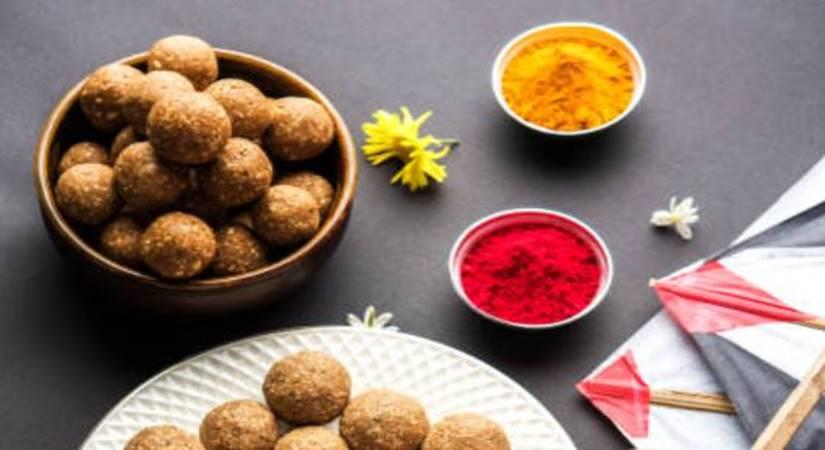
 As the chill of January deepens, a different kind of warmth begins to stir across the Indian heartland. It is a warmth not just of reviving sun, as celebrated in Makar Sankranti, Pongal, and Lohri, but of rekindled hearts. Across the country, a silent, powerful migration reverses the urban tide. Trains and buses fill with eager passengers, not tourists, but pilgrims of kinship, carrying city sweets and urban stories back to the soil of their villages. This annual homeward journey, perhaps more than the festival itself, is a profound testament to a simple, enduring truth: family remains the indispensable fabric that holds India together.
These festivals, rooted in the earth’s cycle and the farmer’s gratitude, are ultimately celebrations of the human harvest. The first yield is not offered in distant temples alone, but first shared in the intimate temple of the home. Lohri’s crackling fire is a family circle, where songs honour ancestors and blessings are whispered for newborns. The tilgul of Sankranti, with its plea for sweet words, finds its first utterance among siblings and parents. The boiling over of Pongal’s pot is a cheer witnessed first by family. These rituals are the threads, passed down through generations, that weave the tapestry of our identity. They are taught not in schools, but on grandparents’ laps, in the communal preparation of delicacies, and in the shared stories under a winter sky.
In our modern, globalised world, where ambition often scatters families across continents, this voluntary return to the ancestral fold is a powerful act of preservation. For our diaspora readers, this scene may evoke a deep resonance or a pang of longing. It underscores that these festivals are not merely dates on a calendar or a set of rituals; they are an experience of belonging. The frantic booking of tickets, the joy of reunion, the chaos of a crowded household, the shared laughter over a meal—these are the real ceremonies. They reinforce the network of unconditional support, the shared memory, and the collective identity that “family” provides. It is our first and most resilient institution, a sanctuary in a changing world.
This fabric, however, is not static. Today, a family video call across oceans during the kite-flying, or the sharing of homemade tilgul via post, are new threads in the same old cloth. The essence lies in the connection, not the proximity. The festival reminds us to nurture that fabric, to mend its tears with attention, and to strengthen its weave with love and shared time.
As smoke from countless Lohri bonfires rises and kites dance in the Sankranti sky, they signal more than a seasonal shift. They are a smoke signal of unity and a kite string tethering us to what matters most. In celebrating with our families—whether in a Punjab village, a Tamil Nadu courtyard, or a living room abroad—we do more than honour tradition. We actively sustain the very core of Indian life. We affirm that while nations are built on economies and policies, their soul is kept alive in the humble, enduring, and joyous space of the family. This is the timeless harvest we must never cease to celebrate and cherish.