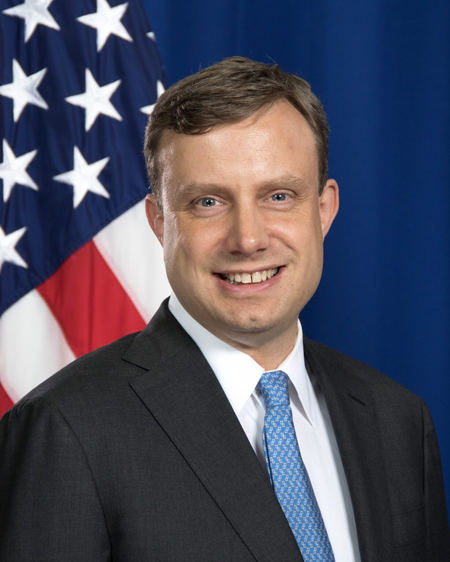




Washington, Dec 13 (IANS) The Trump administration is committed to preventing a major terrorist attack on the US homeland by dismantling global terror networks, confronting state sponsors and expanding burden-sharing with allies, the nominee for America’s top counterterrorism post told lawmakers.
Gregory D. LoGerfo, nominated as coordinator for counterterrorism and ambassador-at-large at the State Department, told the Senate Foreign Relations Committee that the terrorist threat facing the US has evolved since the September 11 attacks, with groups such as ISIS and al-Qaida continuing to recruit and inspire violence worldwide.
“ISIS and al-Qaida continue to recruit, radicalize and encourage their followers across the globe to conduct attacks in their home countries,” LoGerfo said. “The New Year’s Day attack in New Orleans was a stark reminder of ISIS’s persistent reach, capabilities and ambitions.”
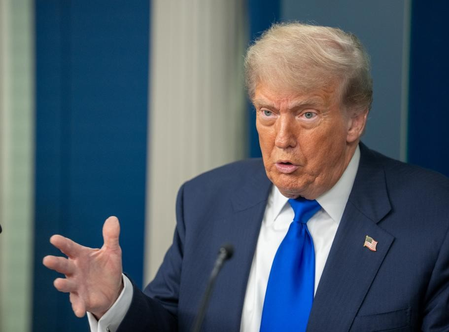
LoGerfo said the administration’s counterterrorism approach is focused on “destroying and disrupting terrorist networks, holding state sponsors accountable, securing our borders and degrading the capacity of terrorist groups to threaten the United States.”
He cited President Trump’s designation of “14 cartels and gangs as foreign terrorist organisations,” saying the administration would confront “the narco terrorists wreaking havoc in the homeland and across the Western Hemisphere.”
LoGerfo also warned of continued threats from Iran and its proxies, despite Tehran’s weakened position.
“Although Iran has been greatly weakened, Tehran and its terrorist proxies, including the Houthis, Hezbollah and Hamas, continue to destabilise the Middle East and show interest in expanding their reach to other regions,” he said.
He cautioned that US officials, journalists, Jewish targets and Iranian dissidents could face heightened risks.
“As we exert maximum pressure on Iran and its terrorist proxies, we must remain focused on potential increased Iranian lethal planning globally,” LoGerfo said.
On Afghanistan, LoGerfo said terror threats persist even after the collapse of the ISIS territorial caliphate in Syria.
“We have taken decisive action and are working with partners to address the threat of ISIS Khorasan,” he said, adding that Afghanistan and Pakistan remain areas of concern.
Addressing the Sahel, where ISIS and al-Qaida affiliates have expanded operations, LoGerfo said the US must emphasise burden-sharing with regional and European partners.
“When we share risk, we need to share burden, and we also need to share resources,” he said, pointing to growing cooperation with coastal West African states such as Côte d’Ivoire, Benin and Togo.
LoGerfo said he would deepen global counterterror partnerships, stressing that “America first does not mean America alone.”
He pledged close consultation with Congress and said foreign assistance would be tightly scrutinised.
“I will ensure that our foreign assistance resources are spent wisely on effective programs to keep America safe and that every program is thoroughly vetted and reviewed,” he said.
During questioning by Senator Ted Cruz, LoGerfo said he believed the Muslim Brotherhood poses a national security threat.
“Yes,” he replied when asked directly whether the group poses a threat to US security.
He said the administration would pursue additional designations “in accordance with the law” and work diplomatically with allies that have already designated the Brotherhood.
On Syria, LoGerfo said the US supports repatriation and reintegration of individuals from detention camps such as al-Hol and al-Roj, alongside de-radicalisation efforts.
“These facilities have been and continue to be breeding grounds for extremism,” he said, committing to strengthening counterterrorism programmes supporting reintegration.
The US has led global counterterrorism efforts since 9/11, with evolving strategies to address decentralised jihadist networks, state-backed militancy and emerging threats across Africa, the Middle East and South Asia.
For India, US counterterror priorities remain closely watched, particularly regarding ISIS-linked threats, Iran-backed groups, and transnational terror financing networks operating across the Indo-Pacific.
–IANS
lkj/rs