




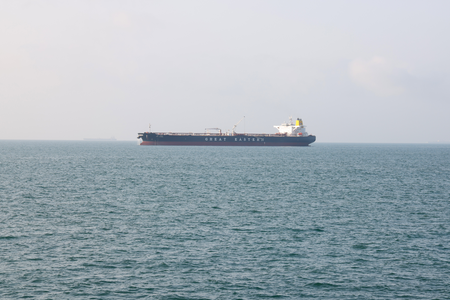
New Delhi, July 23 (IANS) War-risk insurance premiums for vessels operating on Gulf shipping routes have risen sharply amid escalating geopolitical tensions in West Asia, according to a report released on Thursday.
As per analysis of Equirus Raghnall Insurance Broking, war-risk premiums on high-risk shipping routes have increased by 200-300 per cent in recent months and, in some cases, by more than 1,000 per cent.
Premiums for the riskiest voyages have reportedly climbed from around 0.2-0.5 per cent of a vessel’s value to 3-5 per cent, significantly raising voyage costs.
The report also noted that the development could increase India’s crude oil import costs if disruptions persist.
It noted that while insurance is only one component of overall logistics expenses, sustained increases in war-risk pricing could materially raise the landed cost of crude oil imports into India, particularly for cargoes originating from or transiting through West Asia.
“The increase in war-risk premiums, together with higher hull and machinery exposure and related security costs, will raise the landed cost of crude imports into India,” said Amit Goel, Director, Equirus Raghnall Insurance Broking.
He noted that even without a formal closure of key shipping lanes, insurers and reinsurers are likely to reassess risks, resulting in higher premiums, tighter underwriting norms and, in some cases, reduced insurance capacity.
The impact may not be limited to Middle Eastern crude shipments, the report said, adding that prolonged disruption could tighten global marine insurance capacity, leading to higher insurance costs for Russian crude shipments to India as well, particularly if tanker availability declines or vessels are required to operate in a higher-risk environment.
According to Goel, India’s marine insurance market is estimated at Rs 5,500 crore-Rs 5,800 crore.
He has expected marine insurance pricing to remain firm in the near term as geopolitical developments continue to influence war-risk premiums, although a sustained easing of regional tensions could help moderate pricing pressures over time.
–IANS
ag/