



Patna, Nov 7 (IANS) Diwali celebrations have triggered a sharp deterioration in air quality across Bihar, with firecracker emissions pushing pollution levels to alarming proportions in several cities.
Buxar recorded an Air Quality Index (AQI) of 441, placing it in the extremely poor range and posing serious health risks to residents.
Continuous bursting of firecrackers during the festival of lights has released large quantities of smoke and harmful particulate matter into the atmosphere, further worsening the already critical pollution situation across the state.
According to available air quality data, several major cities in Bihar recorded dangerously high AQI levels.
Bettiah registered an AQI of 364, Motihari 357, Sasaram 326, Siwan 326 and Muzaffarpur 325.
Other cities also reported elevated pollution levels, with Darbhanga recording an AQI of 300, Samastipur 289, Bhagalpur 268 and the state capital, Patna, 248.
The readings indicate widespread deterioration in air quality during Diwali celebrations.
However, AQI figures may vary depending on the monitoring platform and the time of measurement.
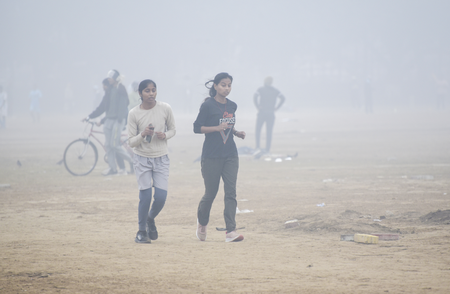
In Patna, residents are facing considerable discomfort due to the combination of existing pollution and additional smoke generated by firecrackers.
The situation is particularly concerning for people suffering from respiratory ailments, asthma and other health conditions.
Apart from deteriorating air quality, firecracker explosions have also contributed to noise pollution, with high-decibel sounds causing discomfort to elderly people, children and those suffering from various health problems.
Environmental expert Raj Kumar Jha said parents should take responsibility for discouraging children from bursting firecrackers and exposing themselves to polluted air for extended periods.
“Children learn from the environment they experience at home. Parents should discourage them from spending long hours outdoors bursting firecrackers. No matter how much effort the government makes, pollution cannot be controlled without public cooperation,” Jha said.
He also questioned the effectiveness of the administration’s pollution-control measures, particularly the practice of sprinkling water on roads in selected areas.
“Spraying water on roads and focusing only on a few VIP areas will not solve the problem. There is an urgent need to address pollution, garbage, contaminated water and open drains in localities such as Saristabad and Gardanibagh,” he said.
He stressed that pollution control requires sustained efforts rather than temporary measures undertaken during festivals.
The sharp rise in pollution levels has once again highlighted the need for greater public awareness and collective responsibility.
With air pollution emerging as a serious public health concern across Bihar, the challenge now lies in balancing festive celebrations with environmental protection and the right of citizens to breathe clean air.
–IANS
ajk/uk